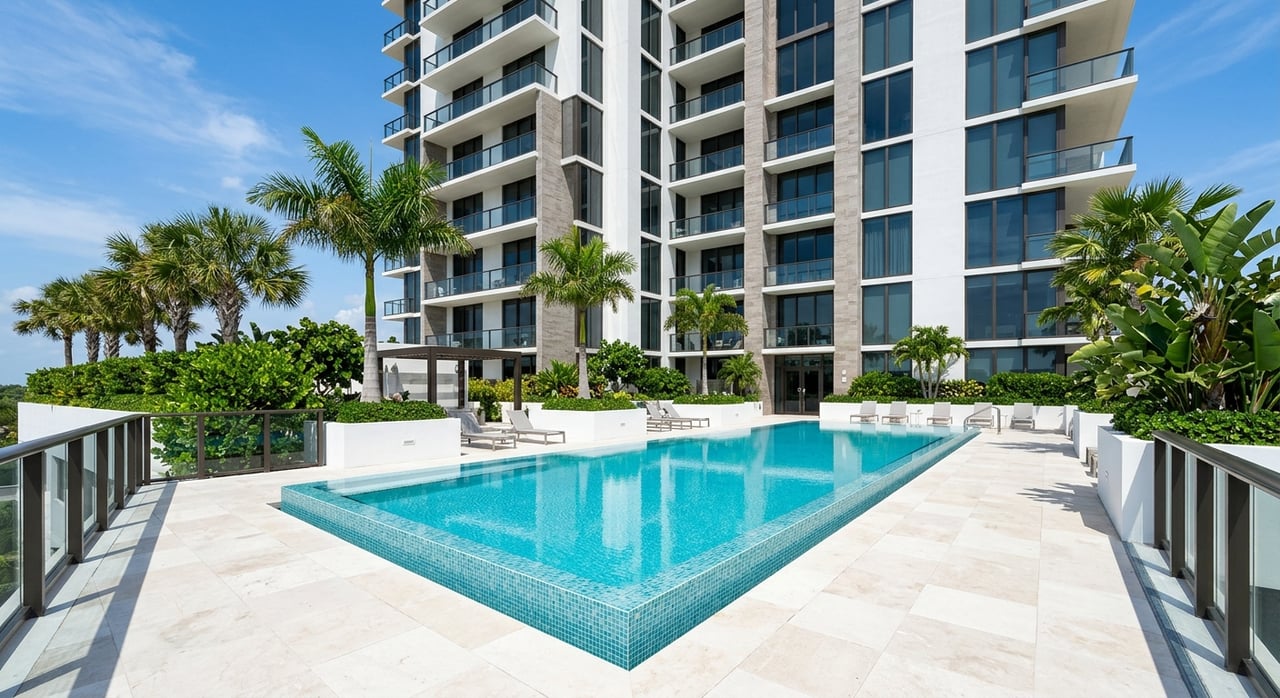
If you are shopping for a luxury high-rise condo in Fort Lauderdale, it is easy to get distracted by glossy amenities, dramatic views, and impressive square footage. But in this market, the right choice usually comes down to something more personal: how you want to live day to day. When you understand how Fort Lauderdale’s waterfront layout, building records, and lifestyle tradeoffs work together, you can make a more confident decision. Let’s dive in.
Why Fort Lauderdale Condos Feel Different
Fort Lauderdale offers a high-rise experience that stands apart from many coastal cities because water shapes nearly every part of the map. The city reports 165 miles of inland waterways, and that geography creates very different condo lifestyles depending on where a building sits. In many cases, the location within Fort Lauderdale matters just as much as the tower itself.
Las Olas Boulevard is widely recognized by the city as a centerpiece for dining, entertainment, and shopping. The Riverwalk District follows the New River through the urban core and is framed around riverfront activity, housing, and architecture. For you as a buyer, that means a beach-area tower, a riverfront tower, and an intracoastal or more residential setting can each deliver a completely different version of luxury living.
The city’s officially recognized neighborhood associations can also help you compare settings more clearly. Names like Central Beach, Lauderdale Beach, Harbor Beach, Las Olas Isles, and Seven Isles often serve as useful reference points when you begin narrowing your search. They give you a practical way to think about whether you want immediate beach access, marina convenience, or a more tucked-away waterfront feel.
Start With Lifestyle, Not the Lobby
A beautiful lobby matters, but your everyday routine matters more. Before you compare finishes, start by thinking about how often you want to walk to dining, spend time near the beach, access boating, or keep a more urban schedule. That will help you focus on the right part of Fort Lauderdale first.
If you want a more walkable, car-light lifestyle, the Riverwalk District is a strong benchmark. The area covers about 3 square miles, includes a 2.5-mile linear walk, and connects to a free water trolley that operates daily from 10 a.m. to 10 p.m. That mix can appeal to buyers who want easy access to downtown activity, waterfront views, and a practical way to move around the area.
If boating is a priority, marina access can become a major differentiator. Fort Lauderdale’s official marine facilities include Las Olas Marina, the New River/Riverwalk Docking Facility, and Cooley’s Landing Marina. The New River downtown docking facility is in the heart of downtown near Las Olas Boulevard and offers 100 slips with full utilities, which makes nearby buildings especially appealing for buyers who want dock-and-dine convenience.
If beach access is your top priority, then your comparison set may look very different. Las Olas Oceanside Park at 3000 E. Las Olas Blvd is one example of how the beach corridor connects to public waterfront spaces. In simple terms, beach-area towers often favor immediate sand and ocean proximity, while downtown and Riverwalk towers tend to favor walkability, boating access, and urban energy.
Compare Views the Smart Way
In Fort Lauderdale, not all views are created equal. Because the city includes beach, river, canal, marina, and downtown environments, the most useful view categories are usually ocean, beach, Intracoastal, New River, marina, and skyline. The best choice is not always the highest floor.
A higher floor may sound ideal, but elevation alone does not tell you enough. You also want to consider natural light, privacy, sun exposure, and whether a future building could interrupt the sightline you are paying for. In a water-centric city like Fort Lauderdale, the angle and direction of the view often matter as much as the floor number.
During a tour, pay attention to what you can actually see from the living room and the primary bedroom. A unit may advertise a water view, but the real experience can differ sharply room by room. This is one of the easiest ways to separate a good condo from one that truly fits your goals.
Evaluate Amenities Based on Real Use
Luxury buildings often compete by offering long amenity lists, but you will get more value by matching amenities to your lifestyle. A tower that looks impressive on paper may not be the best fit if the features do not support the way you actually live. This is especially true in Fort Lauderdale, where boating, seasonal ownership, and mixed-use living can shape what matters most.
For a boating-focused buyer, marina access, dockage rules, storage, valet, and concierge support may matter more than an oversized club room. For a seasonal owner, guest suites, security, package handling, fitness, and maintenance support may be more useful than amenities you rarely touch. The goal is to separate meaningful convenience from marketing filler.
In mixed-use towers, ask a very practical question: who owns and controls the amenities? Some amenities belong directly to the condo association, while others may be shared with another tower, a hotel component, or a master association. That distinction can affect both your monthly dues and how available those spaces really are.
Floor Plans Matter More Than Square Footage
A large condo does not always live well. In many luxury high-rises, floor plan efficiency matters more than the total square footage on a brochure. You want a layout that feels easy, open, and usable whether you live there full time or seasonally.
Split-bedroom layouts can offer better privacy for guests, while a strong kitchen-to-living flow can make entertaining easier. Usable terraces also deserve close attention, especially in a market where indoor-outdoor living is part of the appeal. A large footprint with awkward hallways or poorly placed structural elements may not feel as livable as a slightly smaller but smarter plan.
As you tour, ask specific questions that go beyond finishes:
- How deep is the balcony?
- Are there columns that affect furniture placement or sightlines?
- How many units share the elevator bank?
- What is the parking allocation?
- Is private storage included?
- How is guest parking handled?
- Are any service or mechanical areas close enough to affect noise or privacy?
These details can have a real impact on your daily experience, especially in a high-rise setting.
Building Age Deserves Close Attention
In Florida, building age is not just about style or renovation level. It is also tied to inspection timing, reserve planning, and the possibility of future capital projects. That makes age one of the most important filters when choosing a luxury condo.
Florida requires milestone inspections for residential condominium and cooperative buildings that are three or more habitable stories when they reach 30 years of age, or 25 years in jurisdictions where local circumstances require it. Building age is measured from the certificate of occupancy. Residential condominium associations with buildings three or more habitable stories must also complete a Structural Integrity Reserve Study every 10 years.
That reserve study covers major components such as the roof, structural systems, fireproofing and fire protection, plumbing, electrical systems, waterproofing and exterior painting, and windows and exterior doors. For you as a buyer, the takeaway is clear: an older building may still be an excellent choice, but you need to understand its condition, its reserve planning, and whether major work is already underway or likely soon.
Review Association Records Early
Association due diligence should start early, not after you fall in love with a unit. This is especially important if you are buying from out of state or doing much of your search remotely. The records package can reveal how a building is managed and whether there may be future financial surprises.
According to Florida’s DBPR, condominium official records include documents such as the declaration, bylaws, rules, plans, permits, warranties, budgets, financial reports, current insurance policies, contracts, structural integrity reserve studies, and milestone inspection reports. These records generally must be made available within 10 working days of a written request. Starting January 1, 2026, condominium associations with 25 or more non-timeshare units must also maintain a website or mobile application with specified documents.
This is one reason well-prepared buyers often request records before a second tour or during the offer period. A striking unit may not look quite the same once you review the budget, reserve funding, inspection history, and rules. Good due diligence helps you compare towers on substance, not just presentation.
Understand the Contract and Governance Structure
Florida’s condo resale rules also matter during your purchase. For condo sales contracts entered after December 31, 2024, Chapter 718 requires conspicuous disclosure when milestone inspection, turnover inspection, or SIRS documents are required or completed. Buyers may also have voidability rights if required documents are not delivered.
That makes document timing more than an administrative detail. It can directly affect your rights and your comfort level during the transaction. If you are comparing buildings, it helps to know not only what documents exist, but also whether the association is organized and ready to provide them.
You should also confirm whether the building has layered governance. In some luxury developments, there may be a condo association, a master association, or shared amenities in a mixed-use setting. That can affect who controls parking, security, common areas, and budget decisions, which in turn can shape both your dues and your owner experience.
Questions to Ask on Every Tour
The right questions can quickly separate a polished presentation from a genuinely strong building. Keep these in your notes as you tour Fort Lauderdale luxury condos:
- Which direction do the living room and primary bedroom face?
- What are the actual sightlines from each room?
- What year was the certificate of occupancy issued?
- Has the building completed any required milestone inspection?
- Has the association completed its most recent Structural Integrity Reserve Study?
- Can you review the SIRS summary before or during the offer period?
- What is the annual budget and reserve funding plan?
- Is there a history of special assessments?
- What documents are available in the official records package?
- Are records posted online for remote review?
- How many units share each elevator bank?
- How are deliveries, service access, and guest parking handled?
- If boating matters to you, is there on-site dockage, a waitlist, or a nearby city marina?
- How far is the building in practical walk time from Las Olas dining, the Riverwalk, the beach, and the nearest marina?
When you ask better questions, you usually make better choices.
A More Confident Way to Buy
Choosing a luxury high-rise condo in Fort Lauderdale is about more than finding a beautiful residence. It is about matching the building, the location, and the ownership structure to the lifestyle you actually want. When you weigh views, floor plans, marina access, walkability, building records, and association health together, your decision becomes much clearer.
If you want a thoughtful, design-conscious perspective as you compare coastal condos and amenity-rich properties, Denise Starrantino offers warm, hands-on guidance tailored to the way you want to live.
FAQs
What should you look for in a luxury high-rise condo in Fort Lauderdale?
- Focus on lifestyle fit, view quality, floor plan livability, amenity usefulness, building age, association records, and proximity to places you expect to use often, such as Las Olas, the Riverwalk, the beach, or a marina.
Why does building age matter for Fort Lauderdale condo buyers?
- In Florida, building age can affect milestone inspection timing, reserve study requirements, and the likelihood of near-term capital projects or assessments, so it is an important part of condo due diligence.
What documents should you review before buying a Fort Lauderdale condo?
- Key records can include the declaration, bylaws, rules, budgets, financial reports, insurance policies, contracts, permits, structural integrity reserve studies, and milestone inspection reports.
Are downtown Fort Lauderdale condos better than beach-area condos?
- Not necessarily. Downtown and Riverwalk towers often offer stronger walkability and boating access, while beach-area towers may offer quicker access to sand and ocean views. The better option depends on your priorities.
What questions should you ask when touring a Fort Lauderdale high-rise condo?
- Ask about room orientation, actual sightlines, balcony depth, elevator sharing, parking, storage, guest parking, noise, milestone inspections, reserve studies, budget health, and whether boating access is available or nearby.
