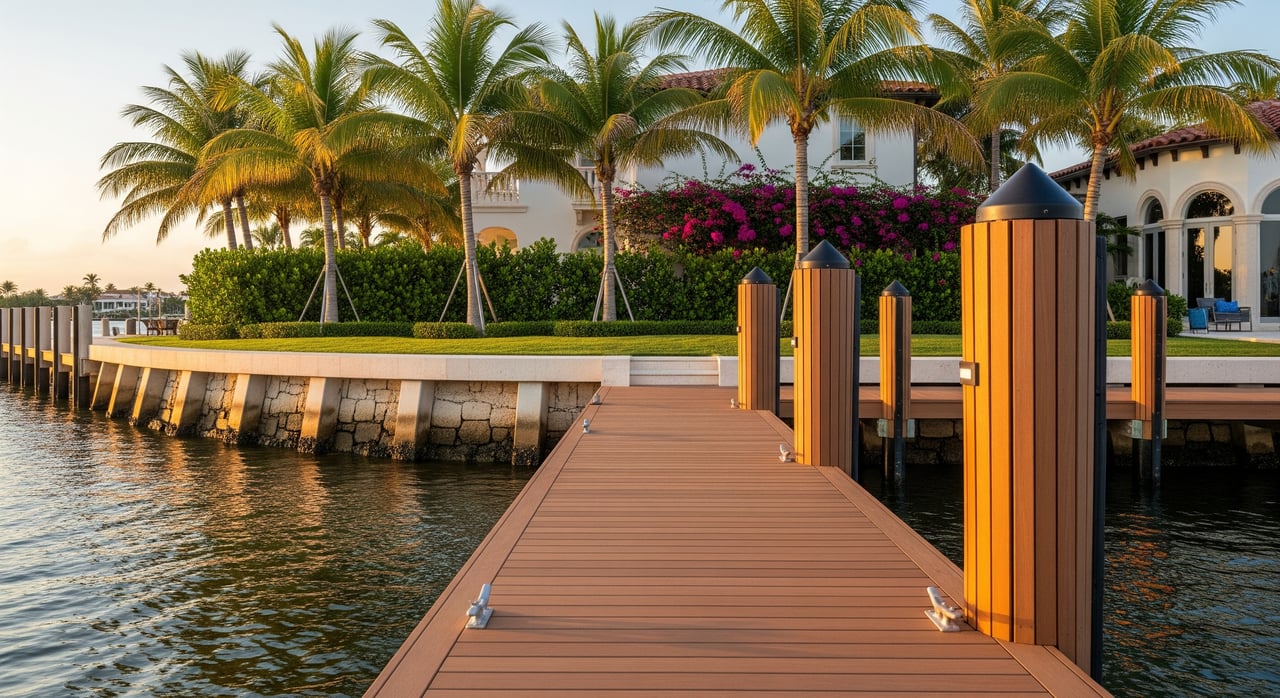
Waterfront living along Palm Beach’s Intracoastal is a dream, until a small issue under the dock turns into a costly surprise. If you own on the water, your seawall, piles, and dock are working every day to protect your shoreline and keep boating safe. With a clear plan, you can catch problems early, stay compliant with changing rules, and extend the life of your waterfront assets. In this guide, you’ll learn exactly what to inspect and when, smart lighting choices that respect neighbors and wildlife, and which projects likely trigger permits with the Town and other agencies. Let’s dive in.
Why proactive seawall and dock care matters
Your dock and seawall face constant forces: tides, wakes, sun, salt, and storms. Small defects can spread into structural failures that interrupt boating and lower property value. A proactive plan reduces risk, keeps your insurance and permits in good standing, and helps you budget with fewer surprises.
This is especially important on Palm Beach’s Intracoastal, where multiple agencies may regulate even minor work. A little planning now protects performance later.
Know the rules before you start
Work over or adjacent to the Intracoastal can involve several authorities. Always confirm requirements before starting any project, and consider a pre-application conversation for clarity.
Who regulates your waterfront work
- Town of Palm Beach Building Department: Primary source for whether dock, pile, seawall, lift, or lighting work requires a Town permit and what current specifications apply. The Town has updated dock specifications, so verify current standards and definitions for maintenance versus modification.
- Palm Beach County Environmental Resources Management: Reviews shoreline projects for environmental impacts including seagrasses, mangroves, and stormwater.
- Florida Department of Environmental Protection: Handles authorizations for sovereignty submerged lands and environmental compliance seaward of the mean high water line.
- U.S. Army Corps of Engineers: Regulates work affecting navigable waters and dredge or fill activities. Some projects qualify under general permits, while others need individual permits.
- Florida Fish and Wildlife Conservation Commission and NOAA/National Marine Fisheries Service: Oversee species and habitat considerations where applicable.
- U.S. Coast Guard: Addresses navigation markers and lighting on structures that extend into navigable waters.
Common permit triggers to verify
These items often require permits or agency review. Confirm details with the Town and relevant agencies before you plan or purchase.
- Any increase in dock length or width, or change to the footprint beyond existing limits
- Replacement or addition of piles, especially new locations or different materials
- Installation or replacement of boat lifts
- New or substantially altered electrical systems, lighting, or fuel and storage systems
- Any work that disturbs submerged lands, seagrasses, or mangroves
- New roofs or enclosed structures over docks
- Work seaward of the mean high water line or on state sovereign lands
- Structural repairs that affect load-bearing elements
- Post-storm reconstruction beyond in-kind replacement
When definitions are unclear, request pre-application guidance from the Town’s Building Department. It can save time and prevent rework.
Inspection schedule: what to look for and when
A consistent inspection rhythm will help you catch deterioration early and plan repairs.
Your inspection timeline
- Monthly owner walk-through: Do a quick visual check from land and, if safe, from the water by boat. Look for loose boards, missing fasteners, leaning elements, or pooling water.
- Annual licensed marine contractor inspection: Have a pro check decking, fasteners, railings, visible pile condition, hardware, lift operation, and lighting and electrical elements.
- Structural or engineering inspection every 3–5 years: Engage a marine structural engineer or qualified marine inspector. Accelerate this review after a major storm or vessel impact.
- Immediate post-storm review: When safe, assess within days. Look for scouring at the seawall toe, lost piles, shifted framing, loose electrical components, and any signs of undermining.
What to inspect in detail
- Piles: Movement, tilt, decay above and below water, marine borer damage on timber, section loss on steel, and corrosion or loosening at connections
- Framing and stringers: Sagging, cracking, rot, and corrosion
- Decking and fasteners: Loose or uneven boards, corroded hardware, trip hazards
- Metal hardware: Condition and material selection, such as stainless versus galvanized
- Boatlift and mechanical: Cables, winches, gearboxes, motors, mounting hardware, and electrical connections
- Electrical and lighting: GFCI function, shore power connections, conduit integrity, fixture seals, and corrosion at terminals; test GFCIs
- Seawall toe and backfill: Scour, slumping, settlement, vegetation dieback, cracking, spalls, and drainage issues
- Riprap: Displacement, undermining, or loss of stone
- Water-side utilities: Gas, water, or discharge lines that serve the dock
Red flags that need urgent attention
- New or increasing tilt of piles, or piles pulling out
- Sudden sagging or a localized deck collapse
- Large cracks or separation at pile caps, or corrosion-through on steel elements
- Visible undercutting or scour at the seawall toe
- Electrical faults, repeated GFCI trips, or exposed wires
- Impact damage that affects foundations or main framing
- Any change that alters the load path, like removing or relocating a pile
Lighting that is safe, compliant, and neighbor-friendly
Dock and seawall lighting should balance safety, navigation, and environmental sensitivity. Local specifications and coastal wildlife guidance often limit glare, color temperature, and placement.
Compliance and environmental context
- Town specifications may set mounting heights, shielding, color temperature, and finish standards. Verify current requirements.
- Sea turtle considerations: Palm Beach County beaches see sea turtle nesting on the ocean side. While the Intracoastal is less critical for nesting, reducing light spill and reflections is still a smart practice.
- Navigational visibility: Structures extending into navigable waters may require markers or navigation lights. Confirm with the Coast Guard or local navigation authority when applicable.
Best lighting practices for your dock
- Use fully shielded, downward-directed fixtures that limit light spill onto the water and neighbors
- Choose long-wavelength, low-blue-content light sources, such as warm white or amber LEDs; many coastal areas prefer 2700K or lower, and amber options around 585–600 nm are often promoted as turtle-friendly
- Keep lumen output to the minimum needed for walking and basic tasks; favor step lights and handrail lighting instead of high-output floods, unless task work requires it
- Install motion sensors and timers to limit continuous lighting and reduce glare
- Position fixtures to prevent direct bulb views from the water or adjacent properties
- Select marine-grade, corrosion-resistant fixtures with sealed housings and appropriate ingress ratings
- Coordinate aiming so that light does not wash into navigation channels
Electrical safety musts
- Ensure shore power and dock electrical systems follow the National Electrical Code and local amendments, including GFCI protection, proper grounding and bonding, and corrosion-resistant enclosures
- Pull permits for new or modified electrical work and schedule inspections
- For lifts and motorized devices, size wiring correctly, seal connections against water intrusion, and confirm compliance with local requirements for disconnects or isolation equipment
Build a maintenance plan you can stick to
A written plan protects your shoreline assets and keeps your work compliant.
Core components of your plan
- Baseline documentation: Keep as-built plans, photos, inspection reports, and current permits. If you lack drawings, commission a simple site survey and single-line plan with piles, footprint, utilities, and elevations.
- Inspection cadence: Follow monthly owner checks, annual contractor inspections, and a 3–5 year engineer review.
- Preventive tasks each year:
- Tighten or replace corroded fasteners
- Clean drainage, scuppers, and remove debris
- Refinish or repair deck boards as needed
- Service boatlifts: lubricate, inspect cables, and test motors
- Test electrical and replace corroded fixtures; verify GFCIs
- Check seawall weep holes, footing, and backfill; repair cracks and spalls
- Inspect riprap and repair displaced stone
- Budgeting reserves: Many coastal owners set aside 1–3 percent of replacement value annually for ongoing maintenance, with extra reserves for larger cyclical items such as pile or lift replacement. Adjust based on your property’s exposure and materials.
- Contracting standards: Use licensed marine contractors and request references for Palm Beach Intracoastal projects. For structural changes, require stamped engineering drawings.
When maintenance becomes a permitted project
Some tasks look routine but can cross into modification. Use this quick screen and confirm with the Town.
- Changes to dock footprint, coverage, or pile locations
- Replacing piles with different materials or sizes, or adding piles
- Installing or replacing boatlifts or utilities such as electrical, water, or fuel
- Any work that disturbs submerged lands, seagrasses, or mangroves
- Replacing more than an in-kind portion of the structure, especially if structural members are involved
- Adding roofs, covers, or enclosed structures over the dock
When in doubt, pause and ask the Building Department for guidance before work or purchases.
After a storm: what to do first
Safety and documentation are your first priorities after severe weather.
- Keep people away from damaged or unstable areas, especially where electrical is exposed
- Photograph all damage before moving anything
- If you need temporary stabilization, make only minimal, temporary measures and document them thoroughly
- Notify your insurer and follow authorization steps before permanent repairs
- Contact the Town or County for emergency permit procedures, which may allow expedited or temporary authorizations with follow-up permitting
Good records speed claims, reduce disputes, and help future permitting.
Life expectancy and material choices
Material selection and detailing drive longevity. Treated timber piles can last 15 to 30 years or more depending on species, treatment, and marine borer exposure. Properly designed and maintained concrete seawalls can serve for decades but still require monitoring for cracking, joint failures, and undermining. Steel systems can perform for decades with the right coatings and protection, but corrosion must be managed. Composite and plastic materials resist rot, though UV exposure and mechanical wear still matter. Inspection and protective detailing extend service life for every material.
Keep records like an asset manager
- Keep dated photos and notes from monthly checks
- File annual contractor and engineer reports
- Save permit numbers, contractor contacts, specifications, and invoices
- Document vessel impacts or unusual events with photos and dates
These records reduce lifecycle costs and support insurance claims, refinancing, and resale disclosures.
Who to call for the right help
- Marine structural engineer: For structural evaluations, pile sizing, and seawall stability
- Licensed marine contractor: For inspections, repairs, and replacements
- Licensed electrician with waterfront experience: For shore power, lifts, and lighting
- Environmental consultant: When seagrass, mangroves, or submerged lands may be affected
- Town of Palm Beach Building Department: For pre-application guidance and current dock and seawall specifications
Planning your next step
If you are considering upgrades or repairs, start with a quick document check, a contractor inspection, and a call to the Town for current specs. A clear scope and early guidance keep your timeline clean and your property protected.
If you want a hands-on partner to coordinate vendors and protect value, our team can help you prioritize improvements that enhance lifestyle and long-term ROI while staying compliant.
Ready to build a smart maintenance plan for your Intracoastal property? Schedule a Consultation with Unknown Company to get started.
FAQs
How often should I inspect a Palm Beach Intracoastal dock after storms?
- Do a quick visual check as soon as it is safe, then arrange a contractor inspection within days to weeks based on severity, and seek an engineer’s review for major damage.
When can Palm Beach owners replace dock decking without a permit?
- If work is truly in-kind and does not change footprint or structural members, many jurisdictions treat it as maintenance, but confirm with the Town as thresholds vary.
Do boatlifts on the Intracoastal require Town approval?
- Boatlifts often require review and permits because they change loads, may affect navigation or submerged lands, and involve electrical and mechanical systems.
What lighting is allowed on Palm Beach docks?
- Town specifications commonly require shielded, low-glare fixtures and may limit color temperature or output; warm or amber lighting and proper shielding are recommended.
How long do seawalls typically last in Palm Beach?
- Lifespan depends on materials, design, exposure, and maintenance, with well-detailed concrete and protected steel lasting decades and timber having shorter service life.
Who is responsible for maintaining a private seawall and dock in Palm Beach?
- The property owner is typically responsible for maintenance, permits, and liability, with additional conditions if sovereignty submerged lands are involved.
