You can wake up in Jupiter and choose between a sunrise boat run or a first tee time. The hard part is deciding which lifestyle suits you best. If you are weighing dockside living against fairway life, you want a clear picture of day-to-day rhythms, true costs, and what to look for when you buy. This guide breaks down both options so you can move forward with confidence. Let’s dive in.
Why Jupiter fits both lifestyles
Easy access and a coastal setting
Jupiter sits on Florida’s Atlantic coast in northern Palm Beach County, about a 20–30 minute drive from Palm Beach International Airport, which makes weekend trips and seasonal stays simple for you and your guests. Driving time from PBI to Jupiter is roughly half an hour. The town’s shoreline centers around the Jupiter Inlet and the iconic lighthouse, with waterfront dining and walking paths that keep you close to the water. You can explore the area around the lighthouse through the official Jupiter Inlet Lighthouse site.
Market context at a glance
Jupiter’s overall median home value sits in the high six-figure range, but that broad number hides big differences between inland neighborhoods and luxury waterfront or private-club addresses. Communities with marina access or private golf tend to command a premium. Expect a wide range that spans from more accessible town neighborhoods to multi-million-dollar estates in top-tier waterfront and club enclaves.
The waterfront lifestyle
Waterways and marinas
If boating is your priority, Jupiter puts you on the Intracoastal Waterway with quick access to the Atlantic through the inlet. Canal systems and the Loxahatchee River connect many neighborhoods to the ICW, and several marinas highlight short runs to the ocean and “no fixed bridges,” which is ideal for larger sportfishing or cruiser yachts. For a sense of local facilities and services, review this Jupiter marina guide with capacities and amenities.
Home types by the water
You will find three common setups:
- Oceanfront estates and low-density beachfront communities with direct ocean access and private sand paths.
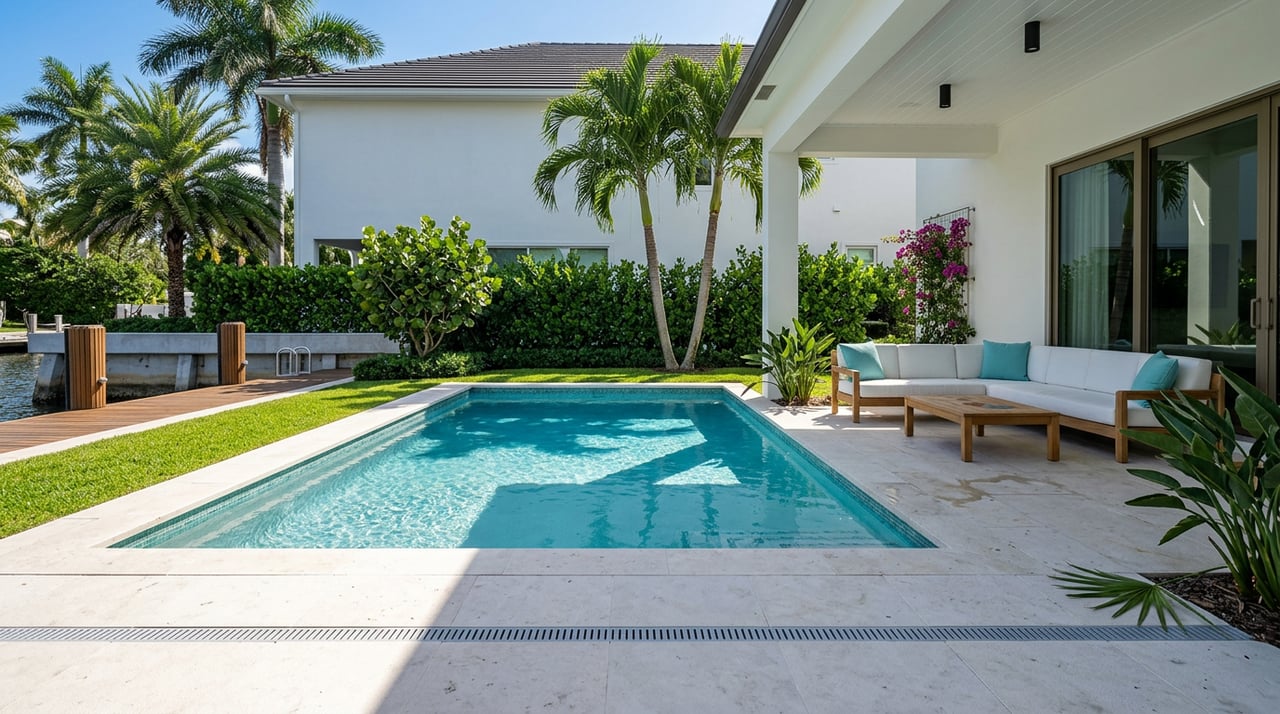
- Intracoastal or canal-front single-family homes with private docks or lifts, where backyard boating is the norm and listings often specify permitted dock length and lift capacity.
- Marina-based condos and dockominium options, where you own a residence and then lease or buy a separate slip within a marina basin. Slip ownership is a distinct asset and can be a major line item in your budget.
Daily rhythm by the inlet
Life on the water follows the tides and the season. Early launches, weekend offshore runs, and dockside gatherings create a lively atmosphere. Around the inlet and riverwalk, waterfront dining and casual walks are part of the routine. In the winter season, typically November through April, activity picks up as seasonal residents arrive and transient boat traffic increases.
Costs and risks to plan for
Owning a boat is a lifestyle and a budget. Industry studies suggest a mid-sized coastal boat can cost from about $10,000 to $45,000 or more per year to operate, depending on storage, fuel, maintenance, and slip choices. Review this center-console cost breakdown for context.
Flood and insurance deserve early attention. Under FEMA’s Risk Rating 2.0, flood insurance pricing is property specific, factoring distance to water, elevation, and rebuild costs. Get quotes early so there are no surprises. Learn how pricing works through FEMA’s Risk Rating 2.0 guidance.
Hurricane season runs from June 1 to November 30. That calendar drives marina move-out protocols, generator planning, impact glass decisions, and insurance availability. Track official dates and preparedness tips from the National Hurricane Center. Also plan for slip scarcity, waitlists, and HOA or marina rules that may limit boat size, live-aboard status, or dock modifications.
The golf-club lifestyle
Club options in and around Jupiter
Jupiter offers both public and private golf experiences. The Abacoa Golf Club is a public course woven into the town plan, with a local, accessible feel and daily-fee play. For a private-club experience, The Loxahatchee Club is a well-known, membership-based community centered on golf, dining, fitness, and social programming. Jonathan’s Landing blends marina access with multiple golf courses and a full calendar of club activities; explore their amenities and social life on the official club site.
Homes and memberships
Gated golf communities typically include single-family homes that face fairways or practice facilities, plus clubhouses, fitness, tennis or pickleball, and dining. Some properties convey a membership as part of the sale, while others require a separate initiation. You will often see language like “membership available” or “full golf membership included” in listings. It is important to verify the membership type, any equity component, and whether it is transferable to you at closing.
Day-to-day at the club
The golf lifestyle leans into a planned calendar. Your week might run on morning tee times, league play, fitness classes, clinic schedules, and dinner reservations at the clubhouse. Compared with marina districts, club communities often feel quieter and more land focused, with fewer transient visitors and a predictable rhythm built around member events.
Costs and commitments
Public courses charge standard greens fees, while private clubs typically require an initiation fee and annual dues. Exact figures vary widely by club and membership type, and some top South Florida clubs report very high initiations in the luxury segment. The key is to request the current fee schedule and membership documents directly from the club. For background on a private Jupiter club’s offerings and approach, see the The Loxahatchee Club overview or industry summaries like Country Club Magazine’s profile of The Loxahatchee Club.
Waterfront vs golf: Key differences
Lifestyle rhythm
Waterfront living is flexible and outdoors-forward. Your schedule can shift with tides and weather, and your social life often centers around the inlet, marinas, and waterfront dining. Golf-club living is more structured, with a clear social calendar, organized leagues and events, and a quieter setting inside gated streets.
Cost tradeoffs
Both lifestyles carry premium housing costs in Jupiter compared with typical inland neighborhoods. On the water, plan for boat ownership and potential slip or dockominium costs, along with flood insurance and hurricane hardening. In golf communities, initiation and annual dues become part of your ongoing budget, and HOA or POA fees can be higher to support amenities. There is no one-size-fits-all number, so build your budget around your home type, membership tier, and any additional lifestyle costs.
Resale and liquidity
These properties sell on lifestyle fit as much as on features. Ultra-luxury waterfront and top-tier private-club homes can see tighter inventory and more price variability. Mid-market club communities and town-oriented neighborhoods often have steadier turnover. Before you make a move, review recent local closings, current days on market, and any club or POA updates that could affect demand.
Buyer checklist: What to verify
If you love the water
- Confirm dock rights, permitted boat size, and whether a slip is deeded, leased, or available for separate purchase.
- Get current flood quotes early and request any elevation certificates so you can compare NFIP and private-flood options under Risk Rating 2.0.
- Ask marina or HOA management about hurricane protocols, dredging schedules, and seawall or revetment maintenance responsibilities.
- Map nearby marine services for mechanical work, haul-outs, fueling, and consider seasonal slip demand and waitlists.
If you favor golf
- Request membership documents, initiation and dues schedules, transfer rules, and any waitlist policies from the club.
- Verify if a membership is included with the property and whether it is equity, refundable, or non-equity.
- Review HOA or POA financials, recent meeting minutes, and planned capital projects or assessments.
For both lifestyles
- Check HOA or POA rental rules and any short-term limits if you plan to use the home seasonally or as a part-time rental.
- Confirm insurance options for wind and flood, and review any hurricane retrofits like impact windows or roof updates.
- Familiarize yourself with local resilience planning through Palm Beach County’s Office of Resilience projects for long-term context.
Which lifestyle is right for you?
Start with your non-negotiables. If quick ocean access, morning fishing runs, and a marina-centered social life light you up, focus your search along the ICW, the inlet, or marina basins with “no fixed bridges.” If your ideal week is a mix of tee times, wellness classes, and club dinners, zero in on gated communities with a membership model that fits your goals.
From there, fine-tune the property details. On the water, weigh dock size, canal depth, seawall condition, and insurance numbers as carefully as interior finishes. In golf communities, look closely at membership type, clubhouse renovation plans, and HOA strength. If you like both worlds, hybrid neighborhoods with marinas and multiple courses exist, but your costs and rules may be more complex.
A design-forward approach can also stretch value. Strategic updates like impact windows, outdoor living enhancements, or a modernized kitchen can elevate your experience and long-term resale. A concierge-level advisor can help you budget, stage, and time these improvements so your next move is beautiful, practical, and smart.
Ready to explore homes that match your lifestyle? Connect with Denise Starrantino to compare neighborhoods, run real numbers, and map a search that fits how you actually want to live.
FAQs
What does “no fixed bridges” mean for Jupiter boaters?
- It means your route from a marina or dock to the ocean does not pass under bridges that cannot open. This is important for larger vessels that need clearance to reach the inlet and Atlantic.
How much does boat ownership typically cost in Jupiter?
- Industry guidance suggests a mid-sized coastal boat often runs about $10,000 to $45,000 or more per year for storage, insurance, fuel, and maintenance, with slip costs adding to the total.
How do flood insurance rates work for waterfront homes in Jupiter?
- FEMA’s Risk Rating 2.0 prices policies by property details like distance to water, elevation, and rebuild costs. Always get current quotes early in your purchase process.
What is the difference between public and private golf in Jupiter?
- Public courses, like Abacoa Golf Club, offer daily-fee play and open tee times. Private clubs, such as The Loxahatchee Club, require membership with initiation and dues, and include broader amenities and a member-focused social calendar.
When is hurricane season in South Florida, and how does it affect homeowners?
- Hurricane season runs from June 1 through November 30. Homeowners should plan for preparedness, review insurance coverage, and understand any marina or HOA storm protocols.
Are golf memberships always tied to the home purchase?
- Not always. Some properties include or allow transfer of a membership at closing, while others require you to apply and purchase separately. Verify terms with the club and HOA early in your search.
