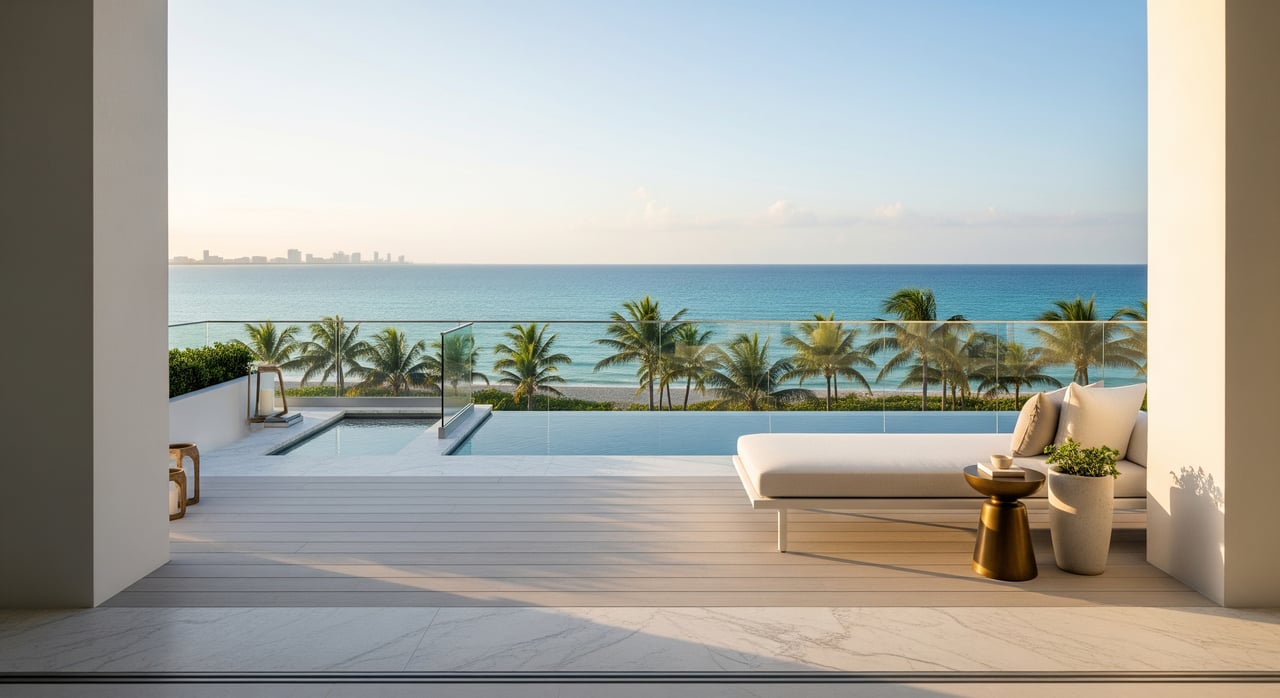
Imagine starting your day with a sunrise walk over a dune crossover, coffee in hand, and the Atlantic just a few steps away. If you are exploring a move or a second home in Boca Raton’s 33432 coastal corridor, you probably want more than a pretty view. You want to know how daily life works, what buildings feel like, what the real carrying costs are, and how to make a confident choice. This guide gives you a clear picture of the lifestyle, amenities, seasonal rhythms, and smart checks to complete before you buy. Let’s dive in.
Boca’s coastal corridor, 33432
When locals say “coastal corridor,” they usually mean the oceanfront and near‑ocean condos along A1A and the neighborhoods east of US‑1. In 33432, that includes stretches near Spanish River and the parks around Red Reef. You are close to Mizner Park and downtown Boca for dining, shopping, and cultural events, with beaches and nature preserves in easy reach. The city maintains a robust network of public beaches, parks, and facilities you can explore through the City of Boca Raton’s parks and facilities.
You will find that day-to-day errands often mean a quick drive, while many buildings sit within a block or two of the beach, a small café, or a corner market. Major corridors like I‑95 and US‑1 connect you north and south. Tri‑Rail and Brightline serve the South Florida corridor, and airports at PBI and FLL are the most convenient for travel days.
Morning to night lifestyle
Picture a typical day once you settle in:
Morning: Step out for a sunrise jog on the sand or along A1A, then stop for coffee nearby before heading back to your building’s gym or pool. You can also trade cardio for nature. The Gumbo Limbo Nature Center offers trails, sea turtle programs, and educational walks just minutes from many condo clusters.
Midday: Run errands at Mizner Park, pick up groceries, or meet a friend for lunch. If you want low‑key outdoor time, Red Reef Park is popular for snorkeling and family beach days. On quieter afternoons, many residents opt for golf, tennis, or a casual bike ride along the coast.
Evening: Choose a waterfront dinner along A1A or a concert and gallery stroll in Mizner Park. Seasonal residents often enjoy their building’s social calendar with happy hours and small club events, while full‑time residents lean into community routines year‑round.
Building styles and amenities
You will see a mix of building types along the Boca shoreline:
- Older mid‑rise condominiums from the 1970s–1990s. These often feature mature landscaping and efficient floor plans. Interiors can vary widely by unit, and some associations are in the middle of, or planning for, significant capital projects.
- Luxury oceanfront towers from the 1990s–2010s and newer. Expect larger residences, higher ceilings, modern lobbies, and full‑service staffing. Amenities frequently feel resort‑like.
- Boutique low‑rise buildings. Fewer neighbors, a more intimate community, and varied amenity levels. Some feel like a coastal hideaway, others like a chic pied‑à‑terre.
Common amenities include pools and spas, fitness centers, saunas, community rooms, on‑site management, and staffed security or concierge in higher‑end buildings. Many buildings provide private or semi‑private beach access through dune crossovers. Covered or garage parking is typical, though guest parking policies vary. Pet rules also vary by association, so confirm details early if you are bringing a furry friend.
Seasonal vs full‑time living
The rhythm of life shifts with the calendar, and it helps to plan around it.
Full‑time residents: You will tap into everything year‑round, from building services to downtown cultural events. Expect steadier routines and a familiar neighborhood pace outside peak season. Full‑time living also brings practical ties to local providers, such as primary care and nearby hospitals.
Seasonal residents: Winter months, roughly December through April, are the most active. Buildings often have richer social programming, restaurants and streets feel busier, and rental demand is strongest where allowed. If you visit seasonally, you may want caretaker services or a light housekeeping rhythm while you are away. If you hope to rent your unit when you are not using it, always verify the association’s rental rules and local regulations before you buy.
Budget basics and costs
Understanding true monthly and annual costs helps you compare buildings accurately. Here are the core items to expect:
HOA or condominium association dues: Fees vary by building age, size, and amenity set. Full‑service oceanfront towers carry higher dues because of staffing, insurance, and amenity upkeep. Smaller or older buildings may have lower monthly dues, yet can face special assessments if major work is due. Dues commonly include the master insurance policy for the building, common‑area maintenance, landscaping, and sometimes basic cable, internet, or water.
Property taxes: Palm Beach County taxes are set by county and local districts. Your effective rate depends on factors like Florida’s homestead exemption if you claim a primary residence. For a specific estimate, reference the Palm Beach County Property Appraiser.
Insurance: The association insures the building through a master policy. As an owner, you typically carry an HO‑6 policy for interior finishes, personal property, and liability. Coastal exposure means wind and hurricane risks, so expect hurricane deductibles and premiums that reflect proximity to the ocean. Flood insurance is separate from standard policies. If your unit lies in a higher‑risk FEMA flood zone, or if your lender requires it, you will need coverage through the NFIP or private markets. You can review flood maps through the FEMA Flood Map Service Center and learn more about coverage via FEMA flood insurance resources.
Utilities and services: Electric, internet beyond basic packages, and any optional services are separate line items. Some buildings charge for additional parking or storage.
Rental management: If you plan to rent seasonally and the association allows it, budget for management or cleaning between stays.
Hurricane season runs from June 1 to November 30. Plan for shutters or impact glass, emergency supplies, and your building’s storm procedures. For the seasonal outlook and preparedness guidance, see the NOAA overview of the Atlantic hurricane season.
Risk, rules, and due diligence
Florida’s condominium framework is well defined, and coastal properties deserve careful review. Before you make an offer, confirm the details that affect your quality of life and long‑term costs.
Condominium documents: Request the condominium resale certificate, declaration and bylaws, rules and regulations, current budget, reserve study, recent financial statements, and insurance certificates. Florida condominium law under Chapter 718 of the Florida Statutes outlines disclosures, budgets, and owner obligations.
Building inspections and recertification: Since 2021, Florida has added inspection and safety reporting requirements for older multi‑story buildings. Ask for recent inspection reports, recertification status, and any directed repairs. You can reference guidance and updates through the Florida Department of Business & Professional Regulation.
Reserves and capital projects: Review the reserve study for balcony, roof, elevator, concrete restoration, and other major work. Cross‑check the last 12 to 24 months of meeting minutes for upcoming projects, special assessments, litigation, or policy changes.
Insurance details: Confirm the association’s master policy limits and deductibles, especially hurricane and wind. Ask about claims history. For your unit, confirm HO‑6 requirements and whether your lender will require flood coverage.
Rentals, pets, and guest use: If renting is part of your plan, verify the minimum lease term, allowed rental windows, registration rules, and any limits on the number of leases per year. Many oceanfront buildings restrict short‑term stays. Confirm pet policies and guest parking rules.
Physical checks during a visit: Pay attention to elevator wait times and reliability, water pressure, common‑area condition, balcony railings, noise transfer between units, and the responsiveness of on‑site staff and management. Visit at different times and on different days to gauge traffic and activity.
Coastal dynamics also matter for long‑term thinking. Sea level rise, storm surge, and erosion are part of any ocean‑adjacent conversation. Review local beach renourishment news and explore the NOAA sea level rise viewer for context as you compare addresses.
Getting around and access
Most residents mix walking, biking, and short drives depending on the task. You can often walk to the beach, a café, or a small market from many buildings, while grocery runs are typically a short drive. US‑1 and I‑95 make north‑south trips straightforward. Tri‑Rail and Brightline provide rail options across the South Florida corridor if you want to skip highway traffic. For flights, Palm Beach International and Fort Lauderdale‑Hollywood are your go‑to airports, with drive times that vary by traffic and time of day.
How I help you buy
Choosing the right coastal condo is part lifestyle, part building analysis. You want light, views, and a convenient routine, but you also need solid reserves, clear rules, and a plan for long‑term maintenance. That is where a design‑forward, concierge approach makes the process easier. I walk you through floor plans, finishes, and potential updates that elevate your enjoyment and future resale, then line that up with due diligence on reserves, inspections, and insurance.
If you are buying from out of state, I set up efficient tours, clarify the building‑by‑building differences, and help you compare true monthly costs. When you are ready, I coordinate inspectors and specialists, and keep your offer, contingencies, and documents on track so you can move with confidence.
Ready to see what life in 33432 could look like for you? Reach out to Denise Starrantino to start a curated search and a smooth path to the right coastal condo.
FAQs
How coastal condo life in 33432 feels day to day
- You wake to ocean light, walk to the beach or a café, run midday errands at Mizner Park, then choose a waterfront dinner or a cultural event for the evening.
What amenities Boca Raton oceanfront condos offer
- Expect pools, gyms, sauna, community rooms, on‑site management, staffed security in higher‑end buildings, covered parking, and private or semi‑private beach access.
How HOA dues and taxes work in Palm Beach County
- Dues vary by building and amenities, while taxes depend on property value and exemptions; verify specifics with the Palm Beach County Property Appraiser.
What insurance you need for a coastal condo
- The association covers the building, and you carry an HO‑6 policy for interiors and liability; flood insurance is separate and may be required based on the FEMA flood map.
How seasonality affects Boca Raton living
- December through April brings more activity, fuller restaurants, and stronger rental demand where allowed, while off‑season offers a calmer pace for full‑time residents.
What to review before making an offer on a condo
- Request condo documents, budget and reserves, meeting minutes, insurance certificates, inspection and recertification reports, and all rules for rentals, pets, and parking.
How hurricane season factors into ownership
- Plan for shutters or impact glass, supplies, and your building’s storm plan; see the NOAA hurricane season overview for timing and preparedness tips.
Whether Boca Raton beaches by condos are private
- Many buildings offer private or semi‑private access paths, while Florida beaches are a public trust; the feel of privacy varies by property and access points.
