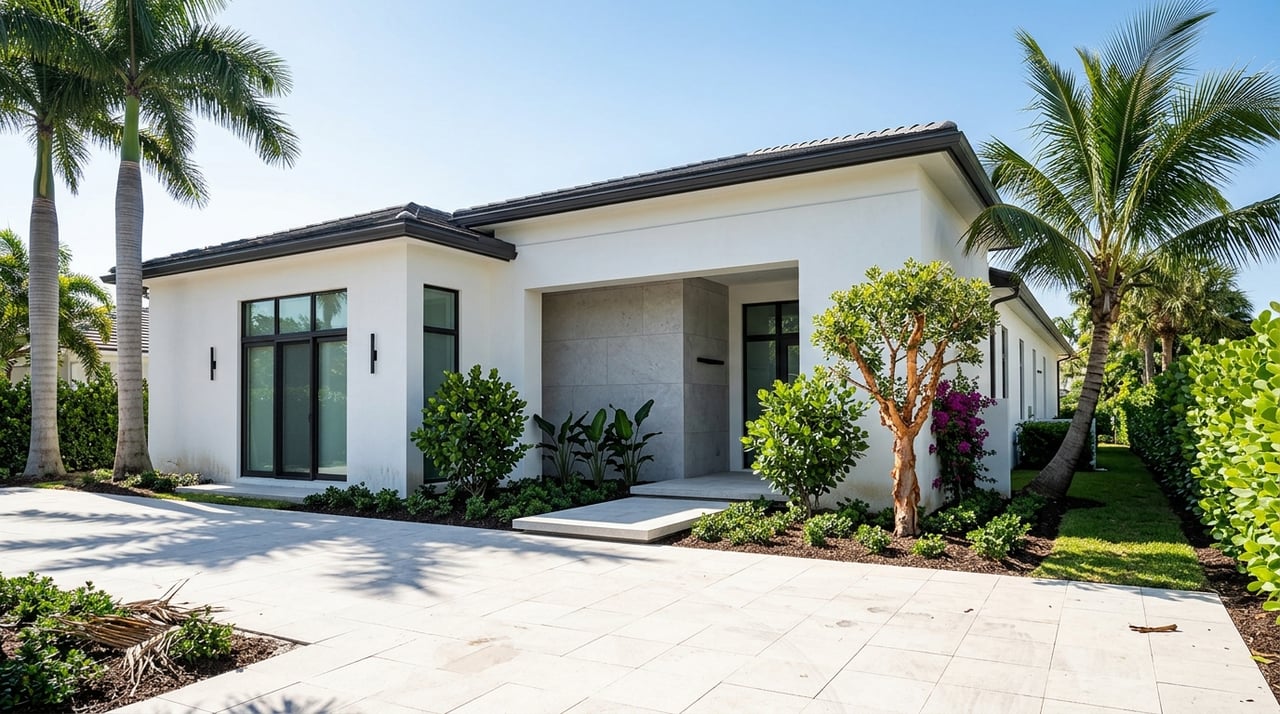
If you picture Palm Beach Island as a place that feels busy and beautiful all year, the reality is a little more nuanced. Seasonal living here has a very specific rhythm, and once you understand it, the island starts to make much more sense. If you are considering a winter home, a longer seasonal stay, or a lifestyle move tied to Palm Beach, this guide will help you understand what daily life actually feels like. Let’s dive in.
Palm Beach has a true season
Palm Beach is shaped by a clear seasonal cycle, not just a general idea of warm-weather living. According to the Town of Palm Beach, the island has 9,207 full-time residents and about 15,000 additional seasonal residents from November through May. That alone tells you a lot about how the island lives and breathes.
From late fall through spring, the island feels fuller, more social, and more active. The Town notes that much of its commercial activity serves both permanent and seasonal residents, which helps explain why this period feels like the center of Palm Beach life. If you want the classic Palm Beach experience, this is the window most people are talking about.
Winter is the main event
Winter on Palm Beach Island is one of the biggest reasons people return year after year. NOAA climate normals for nearby West Palm Beach show January average temperatures around 74.7 degrees for the high and 57.9 degrees for the low. Compared with July averages of 90.0 and 76.1, winter feels much more comfortable for long walks, outdoor lunches, and full days outside.
It is also a drier stretch of the year. January precipitation averages 3.47 inches, while August averages 8.68 inches. That difference has a real effect on how often you can comfortably build your day around the beach, the trail, or dinner outdoors.
There is also the broader timing of hurricane season to consider. The National Hurricane Center states that the Atlantic hurricane season runs from June 1 through November 30. That helps explain why Palm Beach’s peak seasonal energy clusters in late fall, winter, and spring.
The calendar runs from November to May
If you are wondering when “season” really starts, the simplest answer is November. The Town’s own overview points to November through May as the period when seasonal residents are in town, and local cultural programming follows the same pattern.
The Society of the Four Arts says most of its calendar is concentrated from November through May. The Flagler Museum also leans into the winter season, with its café tea service running from the day after Thanksgiving through Easter Sunday. In practical terms, that means the island’s cultural and social life tends to feel most layered and lively during those months.
Daily life feels beach-first
Palm Beach lifestyle starts outdoors. The Town says the island has 12 miles of beachfront and two public beaches, Midtown Municipal Beach and Phipps Ocean Park. That creates a strong sense that the ocean is not just scenery here. It is part of the daily routine.
Ocean Rescue provides public safety and emergency medical services at those public beaches seven days a week, 365 days a year. That year-round support reinforces how central beach access is to everyday life. Even for seasonal residents, the beach often becomes less of a special outing and more of a regular habit.
The Lake Trail shapes the routine
One of the most defining features of island life is the Lake Trail. The Town identifies it as a nearly six-mile route running from the Royal Park Bridge to the North End for walking, jogging, and biking. For many people, that kind of amenity changes how a place feels on a day-to-day basis.
Instead of planning your whole day around a drive, a reservation, or a single destination, you can build simple routines. A morning walk, a bike ride, or a quick loop before lunch becomes part of the rhythm. That repeatable outdoor structure is a big part of what seasonal living on Palm Beach Island feels like.
Recreation is built into the island
The lifestyle here is not only about the beach. The Town highlights the Par 3 Golf Course, the Seaview and Phipps Ocean Park tennis centers, the Mandel Recreation Center, and the Town Marina as key parts of local recreation.
That matters because it means a seasonal resident can build a full day without leaving the island. You can picture a schedule that includes a trail walk, beach time, tennis, golf, or time around the marina, all within a compact area. The result is a lifestyle that feels active, polished, and fairly well organized.
Social life centers on a few corridors
Palm Beach is not spread out in the way some larger coastal markets are. The Town says many of the island’s restaurants and shops are located along Royal Poinciana Way, Worth Avenue, and nearby streets. That concentration gives the social scene a familiar, repeatable feel.
You are not constantly searching for where things happen. Over time, your routines are likely to revolve around the same recognizable areas for lunch, shopping, errands, or dinner. That can feel convenient and elegant, especially if you value a lifestyle where the main destinations are easy to learn.
Worth Avenue adds energy
Worth Avenue is one of the island’s best-known anchors, and it helps shape the tone of the season. Discover The Palm Beaches describes it as a luxury shopping district with al fresco dining, while the local dining scene includes well-known spots like Café Boulud, Le Bilboquet, Renato’s, Buccan, and Imoto.
The point is not just that there are places to go. It is that much of the island’s public-facing energy is concentrated in a few polished settings that become part of the seasonal routine. For many residents, that creates a lifestyle loop that feels both social and easy to step into.
Culture is part of the pattern
Palm Beach seasonal living is not all beach chairs and restaurant reservations. The Society of the Four Arts brings another layer, with a 10-acre campus along the Intracoastal that includes a performance hall, art gallery, education center, library, children’s library, and sculpture gardens.
The organization says it offers concerts, lectures, films, exhibitions, and educational programs, with much of that activity focused in season. The Flagler Museum adds regular museum hours, docent-led tours, music and lecture series, family programming, and its seasonal tea service. Together, these institutions help make Palm Beach feel not just scenic, but scheduled and culturally active.
A typical day has a repeatable flow
If you want the simplest picture of what seasonal living feels like, think in loops rather than one-off events. Morning often starts with the beach, the Lake Trail, or another outdoor activity. Midday can shift toward lunch, shopping, or errands in the main commercial areas.
By late afternoon or evening, the options often move toward a museum visit, lecture, performance, tea service in season, or dinner. That pattern gives Palm Beach a lifestyle that feels curated without being chaotic. It is social, but it is also structured.
Summer feels very different
The island does not disappear in summer, but it does feel different. NOAA data shows that summer is hotter, wetter, and more humid than winter, with July averaging 90.0 degrees for the high and 76.1 for the low. August also brings much higher average rainfall than January.
That change in weather affects how the island feels in practical terms. Outdoor time can become shorter or more selective, and some seasonal programming slows down or shifts. If you are imagining Palm Beach as a place with one steady year-round pace, summer is the reminder that the island has a distinct off-season mood.
Beach life also means beach management
There is another side of coastal living that matters. The Town notes that beach access can be affected by coastal maintenance and restoration work. As of June 2026, the Mid-Town Beach Renourishment Project is restoring storm-damaged sand, and some access points may be temporarily closed.
The Town also says Phipps Ocean Park is scheduled to be closed to the public from May 1 through October 1, 2026, as part of a transformation project, although the racquet center has reopened for tennis and pickleball only. That does not take away from the appeal of island living, but it does show that the shoreline is actively managed and occasionally interrupted by necessary work.
Island access shapes your day
Palm Beach is convenient, but it still functions like an island. The Town says three bridges connect West Palm Beach to Palm Beach, and bridge openings are scheduled during the day. That small detail can affect the pace of errands, appointments, and arrivals.
The Town also notes that Palm Beach International Airport is nearby and that Brightline and Tri-Rail add regional access through West Palm Beach. So yes, the island is well connected by South Florida standards. Still, everyday life often works best when you pay attention to timing and access.
Parking is part of the routine
Another real-world part of seasonal living is parking. The Town’s parking information shows metered or ParkMobile zones in places like Worth Avenue, Four Arts Plaza, and South Ocean Boulevard, with rules and time limits that vary by location.
For a visitor, that may feel like a small inconvenience. For a seasonal resident, it becomes part of the local rhythm. Palm Beach can feel very easy once you know the patterns, but it is not completely friction-free.
What seasonal living really feels like
At its best, seasonal living on Palm Beach Island feels polished, active, and highly intentional. The island’s strongest stretch runs from November through May, when weather is milder, programming is fuller, and the social calendar is at its richest. Days often revolve around repeatable pleasures like the beach, the Lake Trail, dining, shopping, golf, tennis, and cultural events.
It also feels structured. Bridges, parking rules, seasonal calendars, and even beach restoration projects all shape the experience. If that sounds appealing, Palm Beach tends to reward people who value beauty, routine, and a lifestyle that is both outdoorsy and well defined.
If you are exploring Palm Beach County lifestyle options or thinking about a seasonal move, working with someone who understands how daily living patterns match the right property can make the process much smoother. To start that conversation, connect with Denise Starrantino.
FAQs
When does the Palm Beach Island season usually run?
- The main Palm Beach season typically runs from November through May, based on the Town of Palm Beach’s seasonal resident pattern and the timing of local cultural programming.
What is winter weather like on Palm Beach Island?
- Winter is generally mild and drier than summer, with NOAA normals showing January average highs of 74.7 degrees and lows of 57.9 degrees near Palm Beach.
What do seasonal residents do day to day on Palm Beach Island?
- Daily life often centers on the beach, the Lake Trail, golf, tennis, shopping along Worth Avenue and nearby streets, dining, and cultural programming at places like the Society of the Four Arts and the Flagler Museum.
How does summer feel different on Palm Beach Island?
- Summer is typically hotter, wetter, and more humid, and some seasonal programming and amenities quiet down or shift compared with the November-to-May season.
Is Palm Beach Island easy to get around every day?
- It is accessible, but daily life is shaped by bridge openings, parking rules in key areas, and the island layout, so convenience often depends on timing and location.
